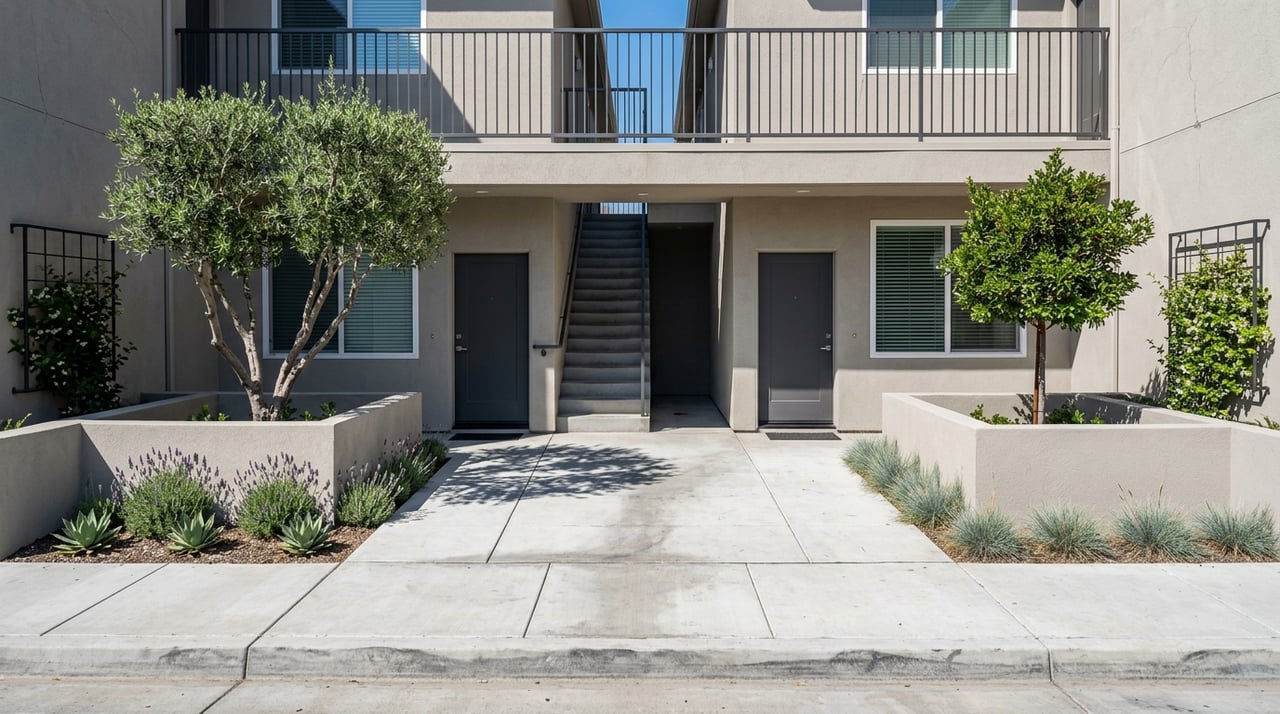
Thinking about buying a condo or townhome in Pasadena? You are not alone. For many buyers, this part of the market offers a simpler maintenance routine, a more connected location, and a path into some of Pasadena’s most walkable areas. The catch is that the details matter, especially when it comes to ownership structure, HOA rules, and what you are actually responsible for. Let’s dive in.
Pasadena condo living starts with tradeoffs
Condo and townhome living in Pasadena often comes down to a few core tradeoffs: location, maintenance, and control. You may gain a more central address and less exterior upkeep, but you may also take on HOA dues, shared spaces, and community rules.
That balance is a big reason these homes appeal to buyers who want a lower-maintenance lifestyle. In Pasadena, that appeal is often strongest in areas planned for higher-density housing near shopping, dining, civic uses, and transit.
The city’s planning documents direct more growth toward the Central District, Transit Villages, and Neighborhood Villages. In practical terms, that means many condo and townhome options tend to cluster in the more urban, transit-oriented parts of Pasadena.
Condo vs townhome in California
The label does not tell the whole story
In California, words like condo and townhome do not automatically describe the legal structure of ownership. The California Department of Real Estate says subdivision types are legal categories, not architectural styles.
That means a home that looks like a detached house can still be a condominium or part of a planned development. A listing that says “townhome” may describe the style, but it does not tell you who owns the land, who maintains the roof, or what the HOA covers.
Why ownership structure matters
In a condominium project, owners hold a separate interest in their unit along with an interest in common areas. In a planned development, the HOA may own or maintain shared property such as private streets, driveways, or recreation areas.
This matters because your day-to-day costs and responsibilities can be very different from one community to the next. The recorded map, condominium plan, CC&Rs, and title report define ownership and boundaries, not the marketing language in the listing.
What lifestyle to expect in Pasadena
Lower maintenance, but more shared rules
Compared with a detached home, a Pasadena condo or townhome often means less exterior maintenance. You may not have to handle as much yard work or outside upkeep, depending on the community.
At the same time, you are likely taking on HOA oversight, shared amenities, and rules that apply to the property. Since CC&Rs run with the land, buyers should treat those governing documents as part of the home purchase, not just background paperwork.
Walkability is a big draw
For many Pasadena buyers, the biggest benefit is location. The city’s General Plan supports housing in areas close to business, retail, entertainment, civic uses, and transit, especially in the Central District.
Pasadena also notes that the Central District is served by three Metro stations. That creates more opportunity for transit-oriented housing and gives buyers an option that can feel more connected to everyday destinations.
Historic areas can add another layer
Some Pasadena condo and townhome communities sit in or near areas with historic review standards. In those cases, exterior changes may need city review in addition to HOA approval.
The Central District includes four designated historic districts, and Pasadena says projects in certain plan areas are reviewed for consistency with adopted design guidelines. For you, that means it is wise to ask early about restrictions on visible alterations, additions, or exterior improvements.
Where condo and townhome living is common
Central District areas
If you want the widest concentration of condo and townhome living, start with Pasadena’s Central District. The city identifies subareas such as Old Pasadena, Civic Center, Pasadena Playhouse, and South Lake within this district.
City planning documents also point to growth near the Pasadena Playhouse, Civic Center/Midtown, Lake, Northwest Gateway, and Walnut districts, especially close to transit stations. These areas tend to match what many buyers want from condo living: convenience, mixed uses, and a more urban setting.
Old Pasadena and nearby districts
Old Pasadena stands out for buyers who want a more urban, mixed-use environment. The city describes it as the historic core, with a mix of retail, dining, office, and multi-family residential uses.
Residential uses there are generally tied to mixed-use buildings with commercial uses on the ground floor. That gives the area a different feel from Pasadena’s more traditional detached-home sections.
Playhouse Village, South Lake, and Civic Center
Playhouse Village, South Lake, and Civic Center also fit the condo and townhome lifestyle well. Pasadena describes Playhouse Village as a culture, commerce, and community hub spanning 32 city blocks.
South Lake is described as a compact shopping, dining, and urban-living corridor. Civic Center includes mixed-use commercial and residential redevelopment, including The Paseo.
Other areas to keep on your radar
Downtown is not the only place to look. Pasadena’s design-guideline materials show that areas such as North Lake, East Pasadena, East Colorado, South Fair Oaks, and Fair Oaks/Orange Grove can also include multi-family or neighborhood-commercial projects subject to city review.
That means your search should stay broad if you want more options. Inventory may appear in pockets outside the core, depending on the project type and area planning rules.
HOA documents to review before you buy
What sellers are required to provide
California Civil Code Section 4525 requires the seller of a property in a common interest development to provide key HOA information. That includes governing documents, current assessment and fee information, unpaid amounts, notices of unresolved violations, approved assessment changes not yet due, and disclosure of rental or leasing prohibitions in the governing documents.
If requested, the seller must also provide prior-year board minutes and the latest inspection report. These items can reveal more about the community than the listing ever will.
The most important items for buyers
Before you move forward, focus on the documents that affect both your budget and your lifestyle:
- CC&Rs and bylaws to understand rights, restrictions, and owner obligations
- Rules and architectural guidelines to learn how the community handles amenities and exterior changes
- Current budget and reserve information to see how the HOA is funded
- Assessment disclosures for regular dues, special assessments, and approved increases not yet due
- Rental or leasing restrictions if future flexibility matters to you
- Violation notices that could affect the property before closing
Why HOA finances matter
The California Department of Real Estate notes that assessment levels can materially affect a buyer’s decision and may even affect financing qualification. That makes the HOA budget and reserve picture more than just a side issue.
In simple terms, you want to know whether dues seem stable, whether reserves appear adequate, and whether a special assessment may be on the horizon. A lower monthly HOA fee is not always better if it means the association is underfunded.
Questions to ask before writing an offer
A smart offer starts with clear answers. In Pasadena, condo and townhome buyers should go beyond finishes and floor plans and focus on how the property actually functions.
Here are some practical questions to ask before you commit:
- Is the property legally a condominium, a planned development, or a detached or site condo?
- Who maintains the roof, exterior walls, yard, landscaping, and shared areas?
- What are the monthly HOA dues, and how often have they changed?
- Are there any current or pending special assessments?
- Do the reserve levels appear sufficient?
- Are rentals allowed, limited, or prohibited?
- Is the property in a historic district or specific-plan area?
- What exterior changes require HOA approval, city review, or both?
- Which HOA documents should be reviewed by your lender and, if needed, another qualified professional?
These questions can help you compare homes more accurately. Two Pasadena properties with similar price tags can carry very different long-term costs and responsibilities.
How to evaluate the right fit
The best Pasadena condo or townhome for you is not always the one with the nicest lobby or lowest dues. It is the one that matches your routine, your budget, and the level of control you want over the property.
If you value walkability and want less exterior upkeep, a condo in a central mixed-use area may check the right boxes. If you want more separation, more owner responsibility, and a different common-area setup, a planned development or site-condo community may be a better fit.
The key is to look past the marketing label and understand the legal structure, the HOA, and the area context. That is where clarity turns into confidence.
If you are comparing Pasadena condos or townhomes and want help sorting through ownership structure, HOA details, and neighborhood fit, connect with Daniel Valdez for clear, personalized guidance.
FAQs
What does “townhome” mean for a Pasadena home purchase?
- In Pasadena and throughout California, “townhome” may describe the home’s style, but it does not by itself tell you the legal ownership structure or who maintains the exterior and common areas.
What HOA documents should Pasadena condo buyers review?
- Pasadena condo buyers should closely review the CC&Rs, bylaws, rules, architectural guidelines, current budget, reserve information, assessment disclosures, rental restrictions, and any unresolved violation notices.
Where are condos and townhomes most common in Pasadena?
- Condo and townhome living is often concentrated in Pasadena’s Central District, including areas such as Old Pasadena, Playhouse Village, South Lake, and Civic Center, with additional opportunities in some specific-plan areas outside downtown.
Can Pasadena historic rules affect condo or townhome owners?
- Yes. In some Pasadena historic districts or specific-plan areas, exterior changes or visible alterations may require city review in addition to HOA approval.
Why do HOA dues matter when buying a Pasadena condo?
- HOA dues affect your monthly housing cost, and assessment levels may also affect financing qualification, so it is important to understand both current dues and the association’s overall financial condition.
What should Pasadena buyers ask before making an offer on a condo?
- Pasadena buyers should ask about the legal property type, maintenance responsibilities, HOA dues, reserve funding, special assessments, rental rules, historic review status, and which documents need closer review before closing.